
Travelling ways carry every person, every tool and every emergency response on a section. They are also the installation most likely to have been correct once and never revisited.
Underground, the gradient changes as development proceeds. Access built for the angle that existed at installation quietly stops matching the excavation, and the wet makes the mismatch dangerous rather than merely awkward.
What makes wet access dangerous
Two conditions have to combine before most falls happen: the surface is wet, and something about it is irregular. Wet alone is manageable if the footing is level, defined and consistent. Irregular alone is manageable if there is grip. Together they remove the margin a tired person relies on at the end of a shift.
That is why the highest-value interventions are the unglamorous ones — making the surface level, keeping the step height the same, and making sure the wet is drained rather than walked through.
- Wet plus irregular is the combination that produces falls
- Variable step height is more dangerous than a consistently steep one
- Fatigue at end of shift removes the margin that carried the crew earlier
- Carrying tools removes the ability to recover from a slip
Keeping tread level as gradient changes
A stairway is only as safe as the levelness of its treads. When the excavation's inclination changes, a fixed-angle installation tilts: the tread slopes, the effective step height varies from step to step, and the crew begins stepping around the installation instead of on it — which is the point at which the control has become a hazard.
The answer is not to rebuild more often, because rebuilding is disruptive and therefore deferred. It is to specify access that can be levelled and repositioned as the excavation changes, so keeping it correct is a routine adjustment rather than a project.
- Level each tread individually rather than accepting the installed angle
- Re-check level after any change in inclination
- Prefer adjustable and repositionable installations over fixed-angle ones
- Keep step height consistent along the full run
- Provide a handhold wherever the run is both wet and inclined
Drainage is an access control
Water crossing a travelling way is a drainage failure before it is an access problem. Where water is intercepted upstream and given a route that does not cross the walkway, most of the wet-footing exposure disappears without any access work at all.
Where a crossing is unavoidable, define it: a single crossing point with a hard, non-slip surface is far safer than a diffuse wet area that people pick their way across differently every shift.
- Intercept water before it reaches the travelling way
- Route drainage away from the walking surface, not along it
- Where crossing is unavoidable, define a single hard crossing point
- Contain spillage at transfer points rather than cleaning it repeatedly
- Keep drains along travelling ways clear on a routine, not on failure
A practical inspection standard
Put access on the same routine footing as any other section requirement. The inspection below takes minutes and is specific enough that two different people will reach the same conclusion.
- Treads level across their width along the full run
- Step height consistent from bottom to top
- Handhold present and secure on wet or inclined sections
- No standing water on the walking surface
- Lighting adequate at the wet and inclined points
- The same arrangement in use in every panel on the section
How Eziload helps
The Adjustable Stairway lets each tread be levelled individually as the excavation's inclination changes, so access stays correct through the life of the travelling way rather than only on the day it was installed.
Spillage Mats give a defined non-slip surface where the ground will be persistently wet, and Cross Cut Management covers the mud loading, grading, re-alignment and drain reinstatement that keeps routes trafficable in the first place.
Equipment covered in this guide
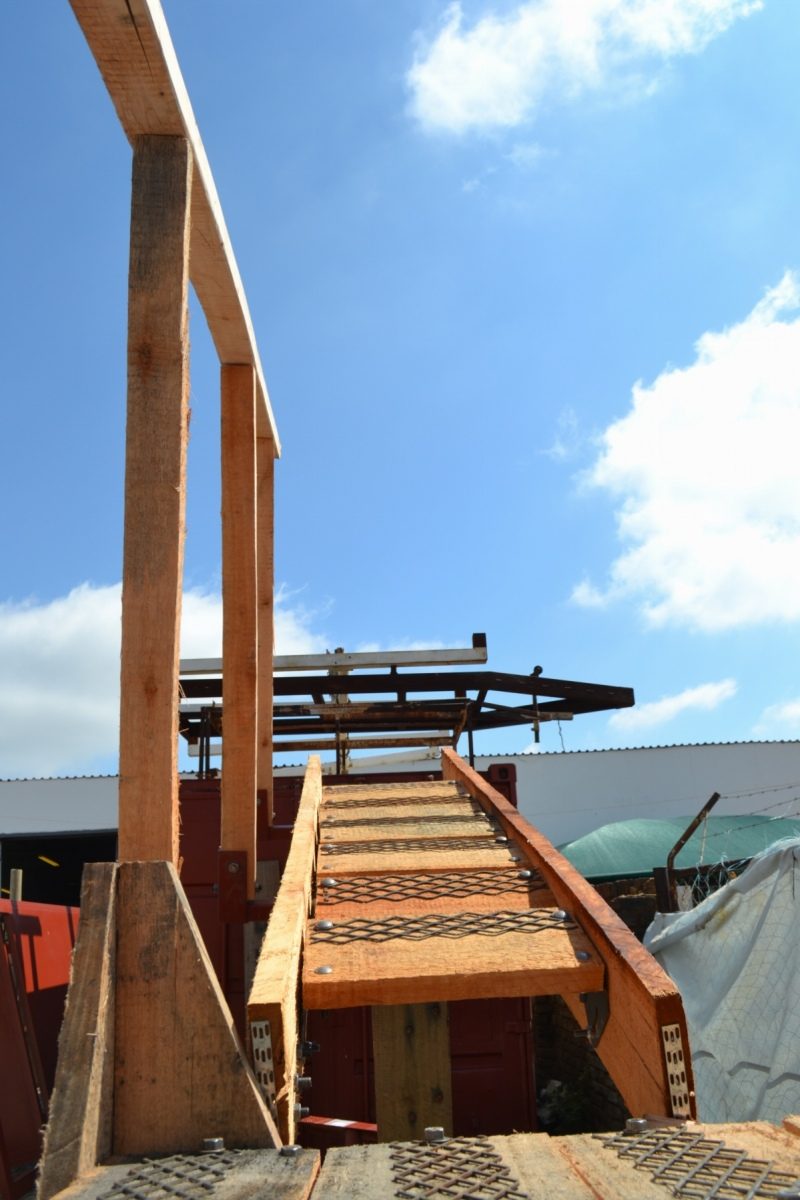
Adjustable Stairway
Level stairs on any gradient — engineered to eliminate slip-and-fall incidents in travelling ways.
View product →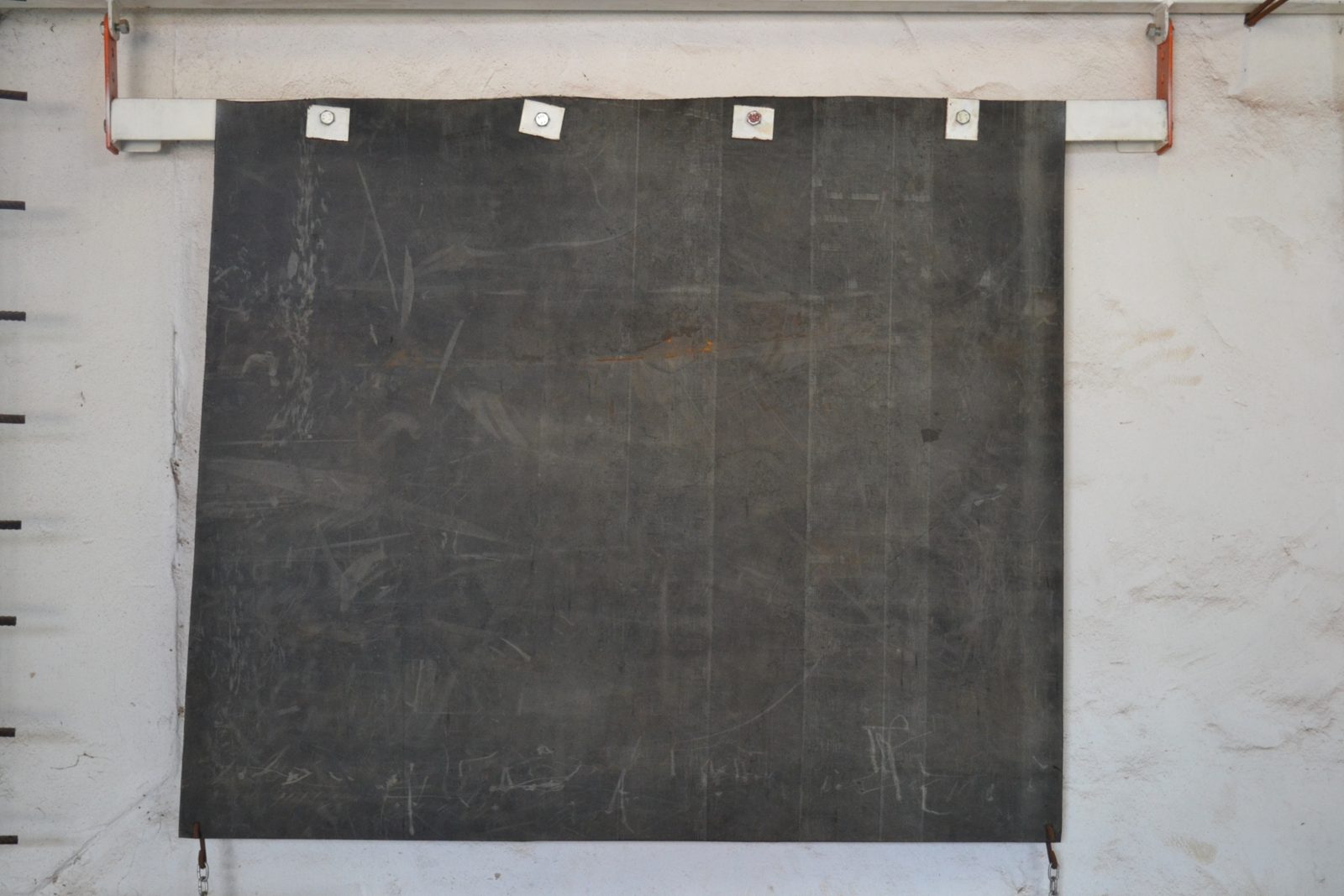
Spillage Mats
Fitted to the box front platform to stop ore overflowing onto the cross cut footwall.
View product →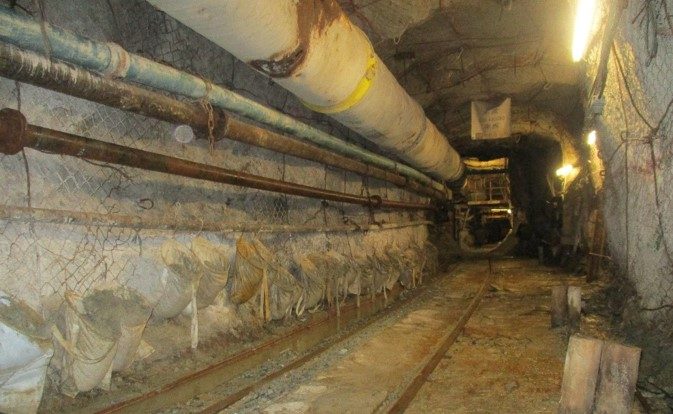
Cross Cut Management
Specialist rehabilitation of cross cuts, haulages, tracks and drains.
View product →Common questions
- What makes an underground travelling way unsafe in the wet?
- Wet combined with irregular footing. Level, consistent surfaces are manageable when wet; it is variable step height, tilted treads and undrained standing water that produce falls.
- How often should access installations be inspected?
- On the section's routine inspection, and again after any change in the excavation's inclination — that change is what quietly turns a correct installation into an incorrect one.
- Can drainage design reduce slip incidents?
- Substantially. Water intercepted upstream and routed away from the walking surface removes the wet condition entirely, which is more effective than improving grip on a surface that stays wet.
- Why is consistent step height so important?
- People walk on expectation, particularly when tired or carrying tools. A step that is different from the one before it is the one they miss.
- Is it worth standardising access across all sections?
- Yes. Crews move between sections, and an arrangement that exists in some panels but not others creates an exception rather than a habit — so crews improvise where the standard is absent.
Dealing with this on your mine?
Tell us what the section looks like and where the water is collecting. We will come back with a practical recommendation and an indication of cost.
Request a recommendation