
Slip, trip and fall incidents remain one of the most common injury categories in underground mining, and water is the common factor in most of them.
The controls are unglamorous and well understood. What separates sections with good records from those without is usually consistency, not knowledge.
Where the incidents actually happen
The high-risk locations are predictable: inclined travelling ways where the gradient changes, transfer and tipping points where spillage collects, the ground around pump stations and sumps, and any place where a crew has to work standing in water.
- Inclined travelling ways with variable gradient
- Tipping, transfer and loading points
- Pump stations and sump surrounds
- Any wet working position occupied for a full shift
Why standard stairs fail on a changing gradient
A stairway built for a fixed angle stops being safe the moment the excavation's inclination changes. The tread is no longer level, so the effective step height varies and the footing tilts — in the wet, that is a fall waiting for a tired crew at the end of shift.
Because rebuilding stairs is disruptive, the mismatch is usually tolerated far longer than it should be.
What good practice looks like
Keep the tread level regardless of gradient, contain spillage at source rather than cleaning it up repeatedly, and give people a defined non-slip surface where the ground will be wet. These three controls address the large majority of water-related slip exposure.
Treat consistency as part of the control: a mat or stairway that is only installed in some sections gives a false sense of standardisation.
How Eziload solves it
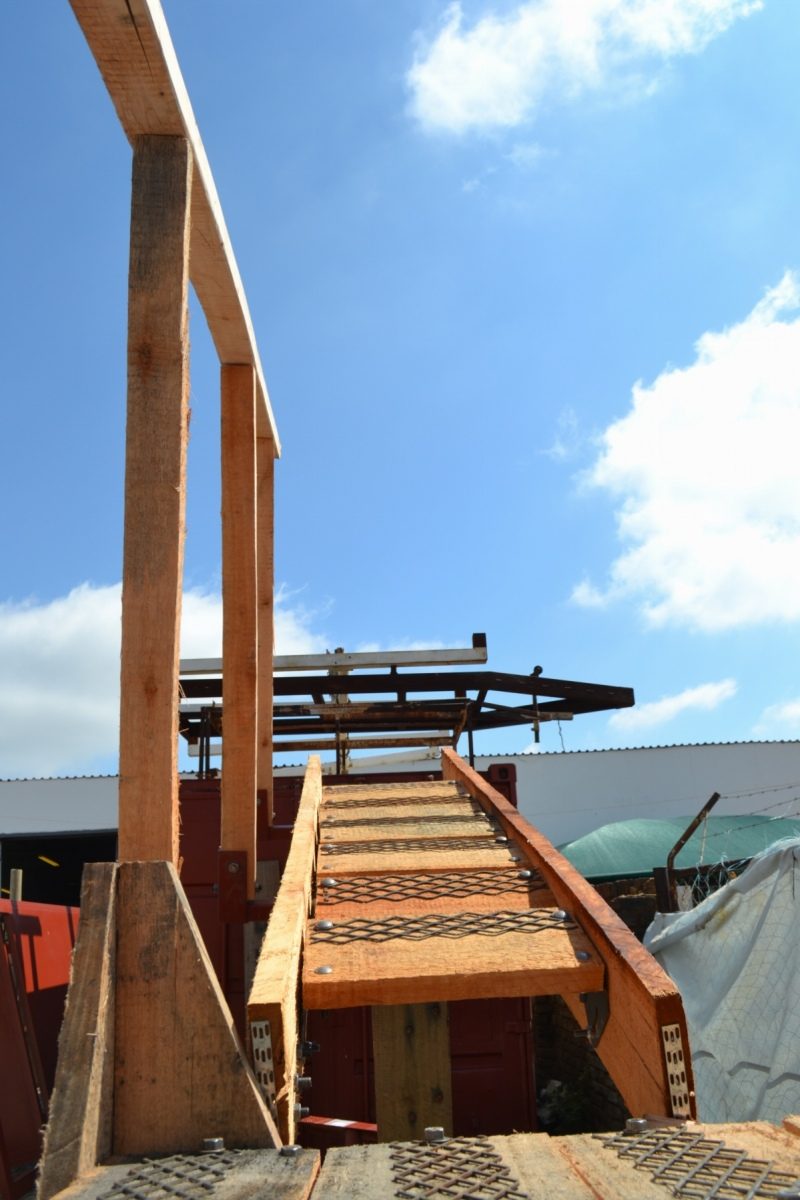
The Adjustable Stairway allows each tread to be levelled individually as the excavation's inclination changes, so access stays safe through the life of the travelling way rather than only at installation.
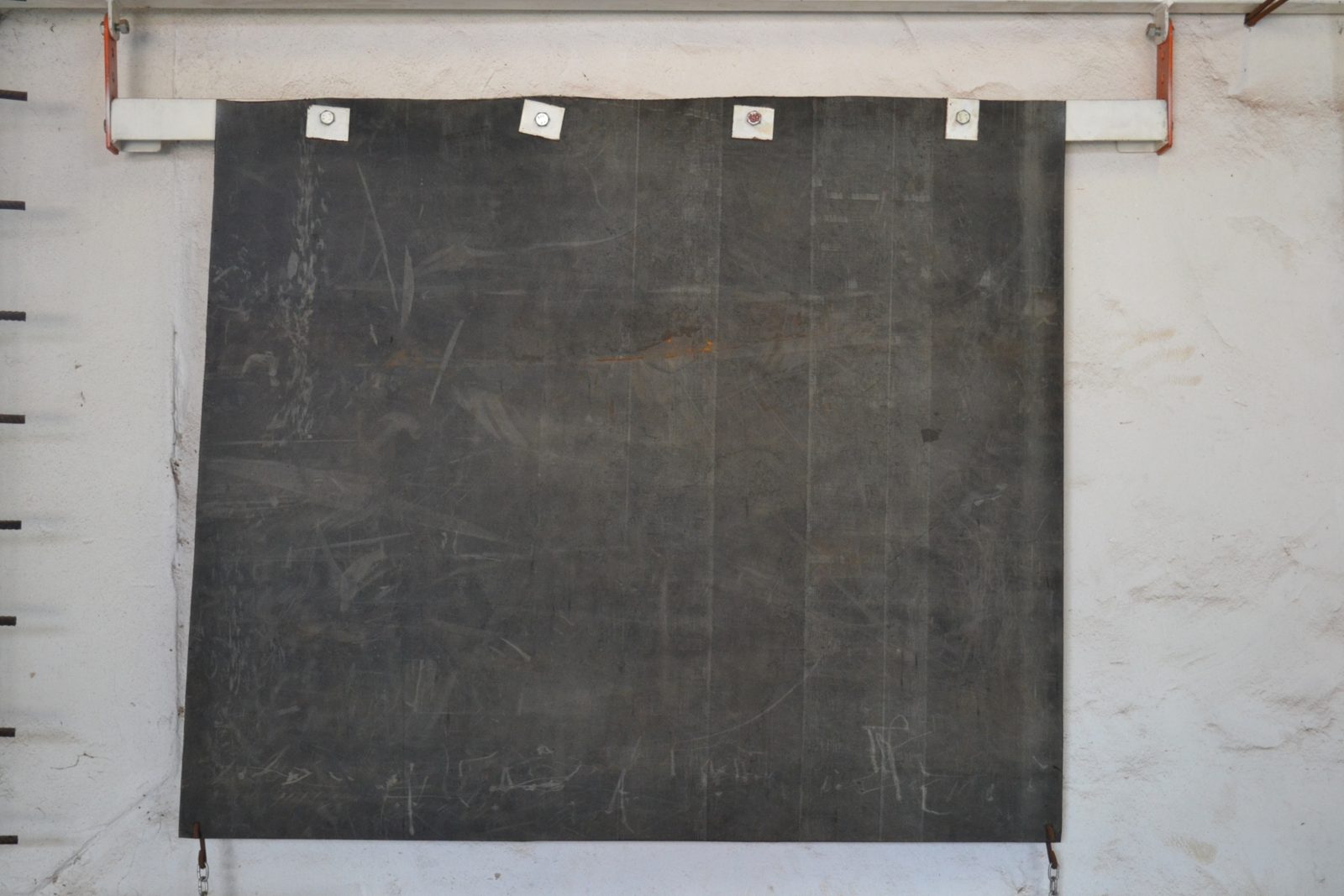
Spillage Mats contain spillage at transfer and working points and give a defined non-slip surface where the ground will be persistently wet.
A walk-through inspection you can do in one shift
Take the travelling way from the station to the face and stop at every point where the surface is wet, uneven or inclined. Score each one honestly — the aim is a short list of the worst three, not a complete register.
- Is the walking surface level across its width, or does it tilt?
- Does step height stay consistent, or does it change with the gradient?
- Is there a handhold where the surface is both wet and inclined?
- Is spillage contained at the source, or cleaned up repeatedly downstream?
- Is lighting adequate at the wet points, where footing matters most?
- Would this section still be safe at the end of a night shift, for a tired crew?
Why the control has to survive the excavation changing
Access installations are usually correct on the day they go in. The failure comes later, when the excavation's inclination changes and the fixed-angle installation no longer matches it. Treads stop being level, step height varies, and the crew adapts by stepping around the installation rather than on it.
The practical test for any access control is not whether it is safe today, but whether it can be adjusted to stay safe as the travelling way develops — without a rebuild that nobody has time to schedule.
- Specify adjustment capability, not just an installation angle
- Re-check tread level after any change in inclination
- Standardise across sections so crews meet the same arrangement everywhere
- Record access installations on the section inspection routine
Making the control stick
Consistency is what separates sections with good slip records from those without. A control installed in three panels out of ten does not create a habit — it creates an exception, and crews revert to improvising in the other seven.
Put access and spillage controls on the same standard as any other section requirement: specified, installed at the same standard everywhere, inspected on a routine, and corrected when the inspection finds a gap.
Equipment covered in this guide
Common questions
- What is the single most effective control for wet-footing injuries?
- Keeping the walking surface level and defined. Most incidents happen where the surface is both wet and irregular — removing the irregularity removes most of the exposure.
- Can adjustable stairways be moved as the travelling way develops?
- Yes. They are designed to be adjusted and repositioned rather than rebuilt, which is what makes consistent compliance realistic.
- Where do most water-related slip incidents happen underground?
- On inclined travelling ways where the gradient changes, at tipping and transfer points where spillage collects, and around pump stations and sumps. These four locations account for the majority of exposure.
- Why do fixed-angle stairways become unsafe?
- Because the excavation's inclination changes and theirs does not. Once the treads are no longer level, effective step height varies and the footing tilts — in the wet, that is the classic fall scenario.
- Is containing spillage better than cleaning it up?
- Almost always. Cleaning is a recurring labour cost that reintroduces exposure every time, while containment at the source removes both the hazard and the task.
- What should a section inspection cover for wet access?
- Tread level, consistent step height, handholds on wet inclines, spillage containment at source, lighting at wet points, and whether the arrangement is standard across every panel.
Dealing with this on your mine?
Tell us what the section looks like and where the water is collecting. We will come back with a practical recommendation and an indication of cost.
Request a recommendation