
Backfill containment is the one part of the fill cycle where failure is immediate and dangerous. A barricade that lets go does not degrade quietly like a silted drain — it releases fill and water into an opening where people work.
Containment is also where schedule pressure bites hardest, because it sits directly between the crew and the pour. That combination is why containment deserves to be planned as carefully as the reticulation feeding it.
What containment has to do
A containment arrangement holds the placed material in position, allows the water released by the fill to decant in a controlled way, and stays intact while the fill gains strength. It must do all three — containment that holds material but blocks decant simply moves the failure to the water side.
It also has to be installable in the opening you actually have, which underground is rarely the rectangular one the standard drawing assumes.
- Retain placed material for the full duration of the pour and set
- Allow controlled decant of released water
- Seal against the surrounding rock, including at the corners
- Suit the real geometry of the opening, not an idealised one
- Be installable safely by the crew available, in the time available
Why built barricades fail
Constructed barricades fail at the edges far more often than in the middle. The face of a timber or brick barricade is usually adequate; what gives way is the seal against irregular rock, the corner where two planes meet, or the base where the footwall was not properly prepared.
Construction also takes time and skilled hands, and it happens under pressure with the pour waiting. Where the crew is unfamiliar with the geometry, or the material available on the day is not what the standard assumes, quality drifts and nobody can tell by looking.
- Edge and corner seals against irregular rock
- Inadequate footwall preparation at the base
- Construction quality varying with crew, material and time pressure
- Decant provision left out or undersized during construction
- No practical way to verify the barricade before the pour begins
What a portable safety bag changes
A portable safety bag is a manufactured containment unit installed rather than constructed. Because it is made to a specification off site, the variability of on-site construction is removed: what arrives in the opening is the same every time, and the crew's job is installation and positioning rather than building.
It also conforms to the opening. A flexible containment element pressed against irregular rock seals in places a rigid built face cannot, which is exactly where built barricades tend to let go. And because installation is quick, containment stops being the step that delays the pour.
- Manufactured to specification — consistent between installations
- Conforms to irregular openings where a rigid face cannot seal
- Installed rather than constructed, so it is faster and repeatable
- Removes the skilled-construction variable from a safety-critical step
- Suits confined openings where building a barricade is awkward or unsafe
Planning containment for a pour
Decide the containment method against the geometry and volume before the pour is scheduled, not on the morning of it. The two questions that decide almost everything are how regular the opening is and how much water will be released as the fill settles.
- Measure the opening, including irregularities, before selecting the method
- Match containment rating to placement volume and rate
- Plan the decant route at the same time as the containment, never after
- Confirm the crew has installed this arrangement before, or brief them properly
- Agree the inspection and sign-off point before placement begins
Inspection before, during and after placement
Containment is inspected at three points, and skipping the middle one is the common error. Before placement you are checking installation quality; during placement you are watching for movement and seepage; after placement you are confirming the decant is working and the fill is setting as expected.
- Before — seal against rock at edges, corners and base; decant clear
- During — movement, bulging or seepage at any point of the containment
- During — decant flowing freely, not backing up behind the containment
- After — fill setting as expected and return water clearing
- After — record what was observed, so the next pour benefits
How Eziload helps
Backfill Portable Safety Bags provide manufactured containment that is installed rather than built, which removes the construction variability that causes most barricade failures and suits the confined, irregular openings where building is hardest.
Backfill Bags cover the placement containment side, and where a mine prefers the whole cycle under one accountable scope, Backfill Contracting supplies labour, supervision, paddock and bag installation, reticulation, flushing and flocculant stations together.
Equipment covered in this guide
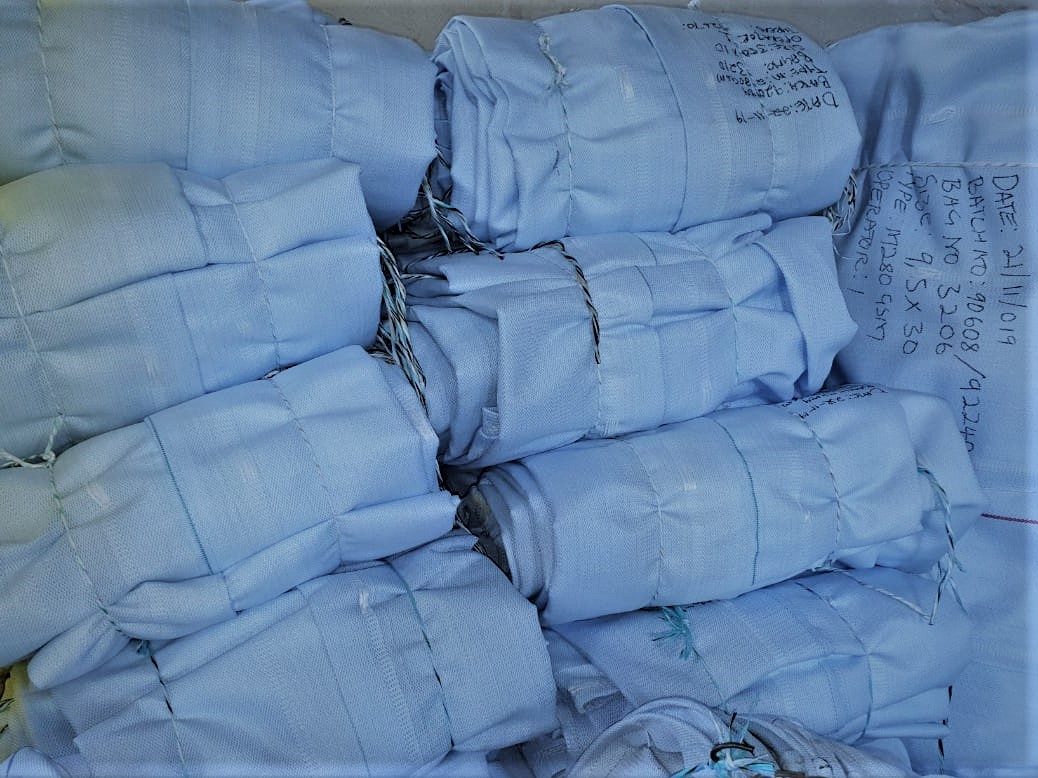
Backfill Portable Safety Bags
Portable safety bag system that contains spillage if a backfill bag bursts.
View product →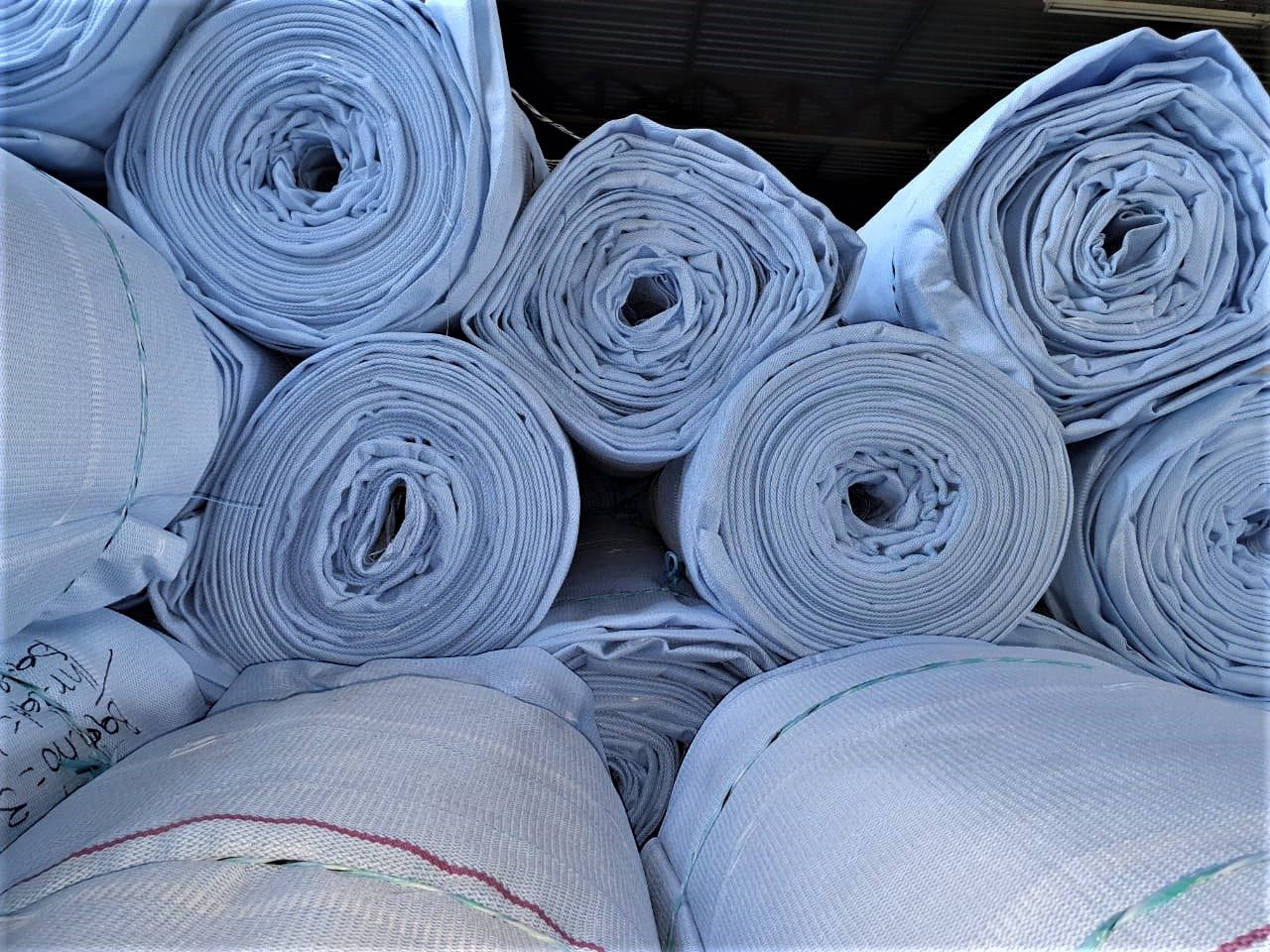
Backfill Bags
Backfill bags manufactured to client specification in a range of materials and sizes.
View product →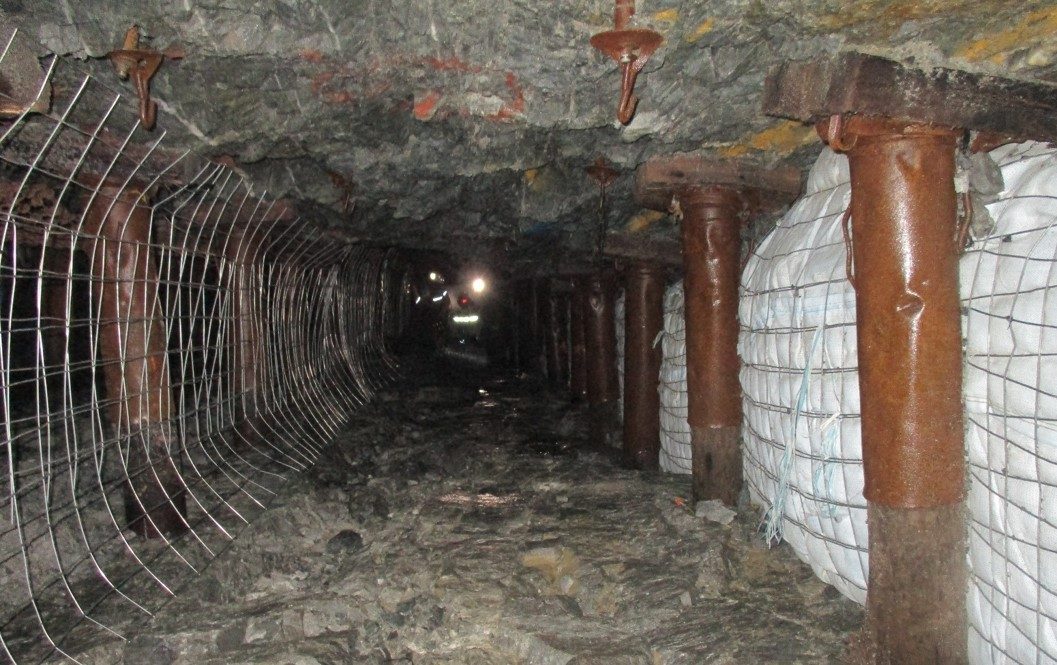
Backfill Contracting
Full turnkey backfill operations — labour, supervision, paddocks, bags and filling.
View product →Common questions
- Where do backfill barricades usually fail?
- At the edges rather than the face — the seal against irregular rock, the corners, and the base where the footwall was not properly prepared. The middle of a built barricade is rarely the problem.
- What is a portable backfill safety bag?
- A manufactured containment unit that is installed in the opening instead of a barricade being constructed on site. It conforms to irregular rock, arrives to a consistent specification, and is quicker to place.
- When should a safety bag be used instead of a built barricade?
- Where the opening is confined or irregular, where construction time is delaying the pour, or where construction quality varies between crews. Those three cover most underground placements.
- Does containment affect the water side of backfill?
- Yes. Containment that blocks or restricts decant pushes released water and fines into the workings, so the containment and the decant route must be planned together.
- How should containment be inspected?
- At three points: before placement for seal and decant clearance, during placement for movement or seepage, and after placement to confirm the decant is working and the fill is setting.
Dealing with this on your mine?
Tell us what the section looks like and where the water is collecting. We will come back with a practical recommendation and an indication of cost.
Request a recommendation