
South African mines operate under the Mine Health and Safety Act, and the duties it places on an employer are broad rather than prescriptive: provide a working environment that is safe and without risk to health, identify hazards, assess risk and put controls in place, and keep records that show it is being done.
This guide is not legal advice, and it does not restate the Act. It sets out how those duties tend to be assessed in practice around water, spillage and access — and why a section that operates well usually finds compliance follows on its own.
Where water and access meet the duty of care
Standing water in workings, wet manual handling in confined positions, unstable footing on inclined access, and deteriorating ground around drainage failures are all hazards in the ordinary sense of the word. Once identified, they attract the same expectation as any other hazard: assess the risk, apply a control, and demonstrate that the control works.
That last part is where sections most often fall short. The control usually exists. What is missing is the record showing it was inspected, found wanting, and corrected.
- Standing water and flooded workings
- Manual handling of mud and sludge in wet, confined positions
- Slip and fall exposure on wet inclined access
- Entry into sumps and other confined excavations
- Ground conditions deteriorating where drainage has failed
The hierarchy of controls, applied to water
The hierarchy is the frame most assessments use, and water problems map onto it cleanly. Eliminating the hazard means stopping water reaching the working area at all. Engineering it out means intercepting and routing it so no person interacts with it. Administrative controls are procedures and inspections. Personal protective equipment is last, and boots are not a water control.
The reason this matters commercially as much as legally is that the higher controls are also the cheaper ones over time. A control that removes the manual task removes the labour, the exposure and the record-keeping burden together.
- Eliminate — keep water out of the working area entirely
- Engineer — intercept, channel and remove without manual interaction
- Administrative — procedures, inspections, training and records
- PPE — necessary, but never the primary control for a water hazard
What the paperwork should show
An assessment is usually a conversation about records. The question is rarely whether a hazard exists — everyone knows water collects underground — but whether the mine identified it, decided what to do, did it, and checked that it worked.
Keep the record trail simple enough that it is actually maintained. A risk assessment that names the water hazards, a control decision, an inspection routine with dates and findings, evidence that findings were closed out, and training records for the people doing the work will answer most questions asked.
- Risk assessment identifying the water, sludge and access hazards
- Recorded decision on the control applied to each
- Routine inspection records with dates, findings and the person responsible
- Evidence that findings were closed out, not just noted
- Training records for manual and equipment-based tasks
- Incident and near-miss records with the actions taken
Making compliance a by-product
Sections that struggle with compliance usually manage it as a separate activity, with its own paperwork cycle running alongside operations. Sections that find it easy have folded the checks into how the section is already run: the water walk-through is the inspection, the equipment standard is the control, and the record is a by-product of doing the round.
The practical route there is the same one the rest of this handbook describes — remove the manual tasks that create the exposure, standardise the equipment so the control is the same everywhere, and inspect on a routine rather than on failure.
- Fold the compliance check into the existing section walk-through
- Standardise equipment so the control does not vary between panels
- Remove manual tasks rather than writing procedures around them
- Inspect on a routine, and close out findings visibly
- Keep the record short enough that it is completed every time
How Eziload helps
Most of Eziload's equipment sits in the elimination and engineering bands of the hierarchy, because it was designed to remove a specific manual task rather than to make it safer. Water weir elimination removes the rebuild, self-cleaning sumps remove the entry, mud accumulation points remove the hand-loading, and adjustable stairways keep access correct as the excavation changes.
That is the strongest position to be assessed from: the exposure has been engineered out rather than managed with a procedure.
Equipment covered in this guide
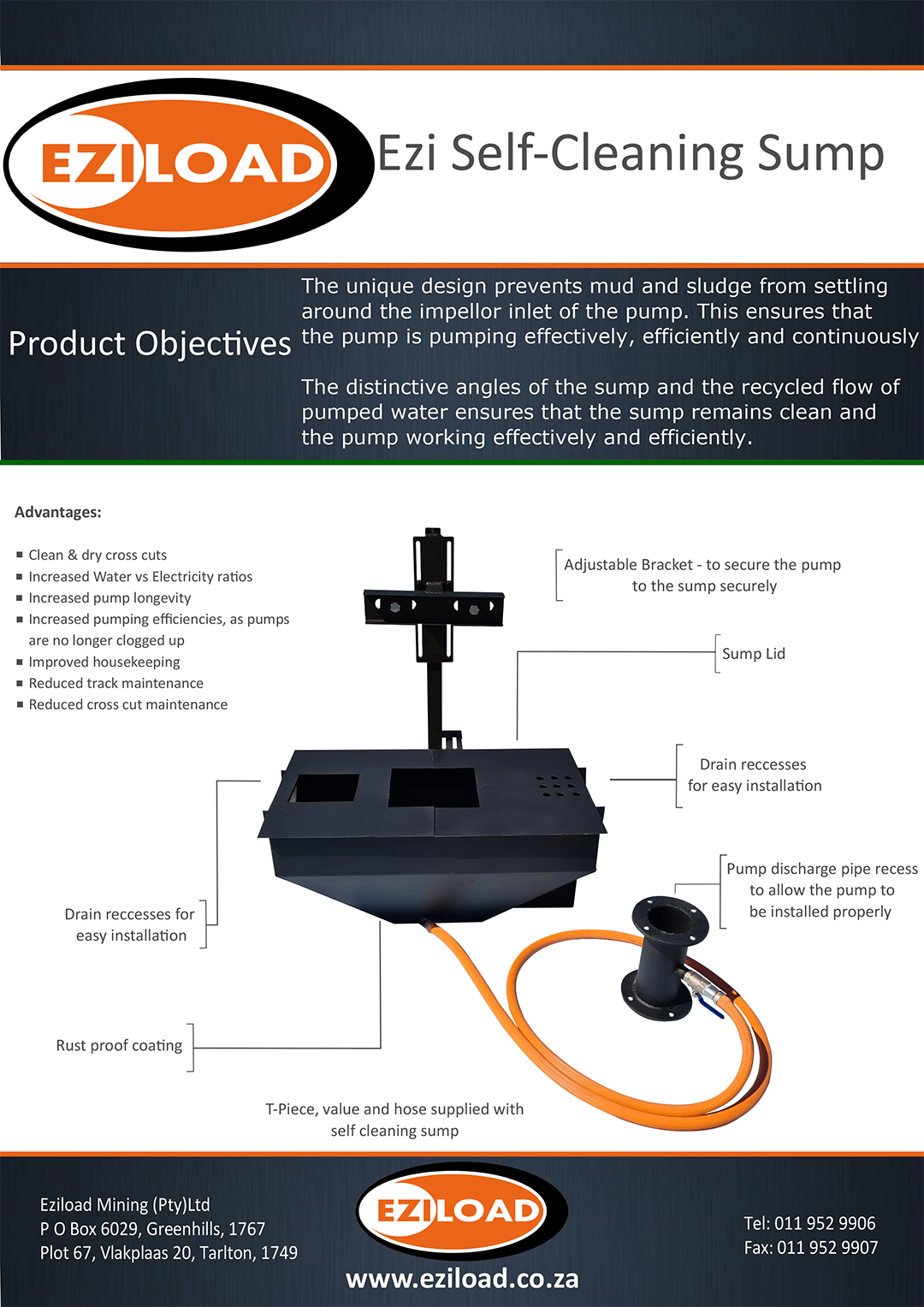
Ezi Self-Cleaning Sump
Keeps pumps clean, running and pumping — no more mud choking the impeller.
View product →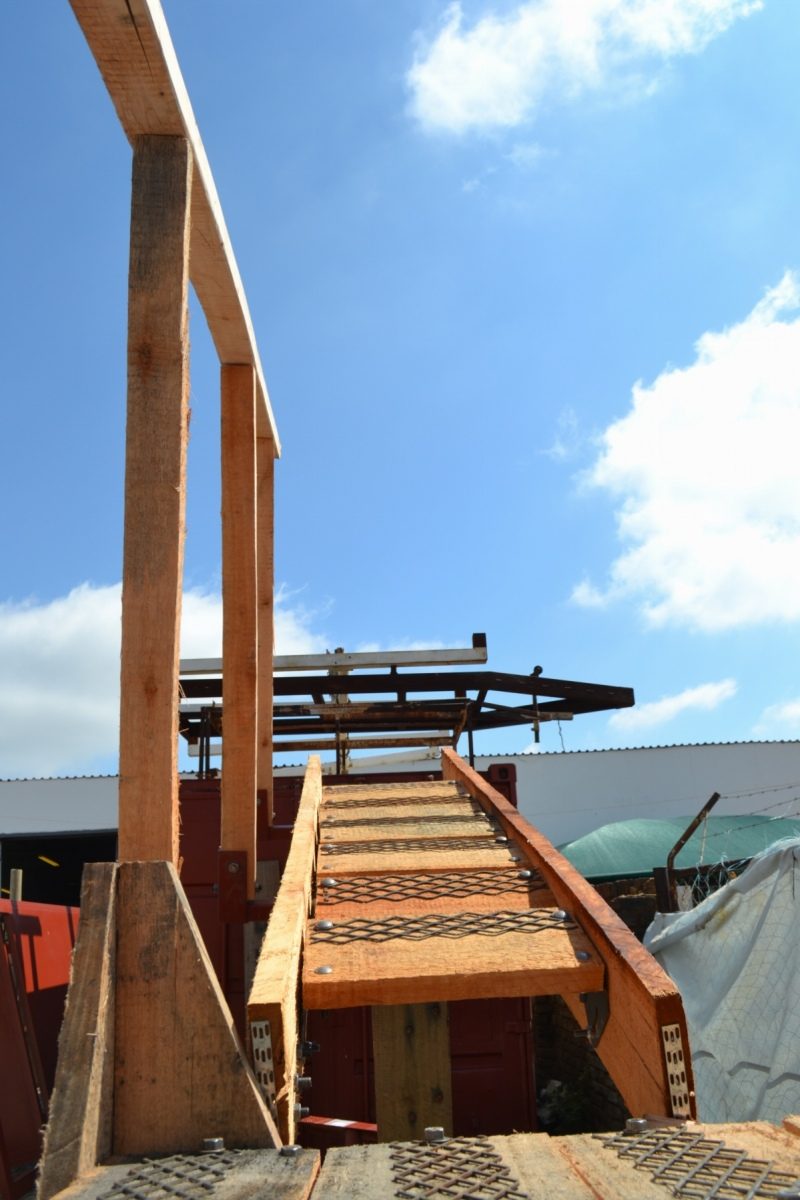
Adjustable Stairway
Level stairs on any gradient — engineered to eliminate slip-and-fall incidents in travelling ways.
View product →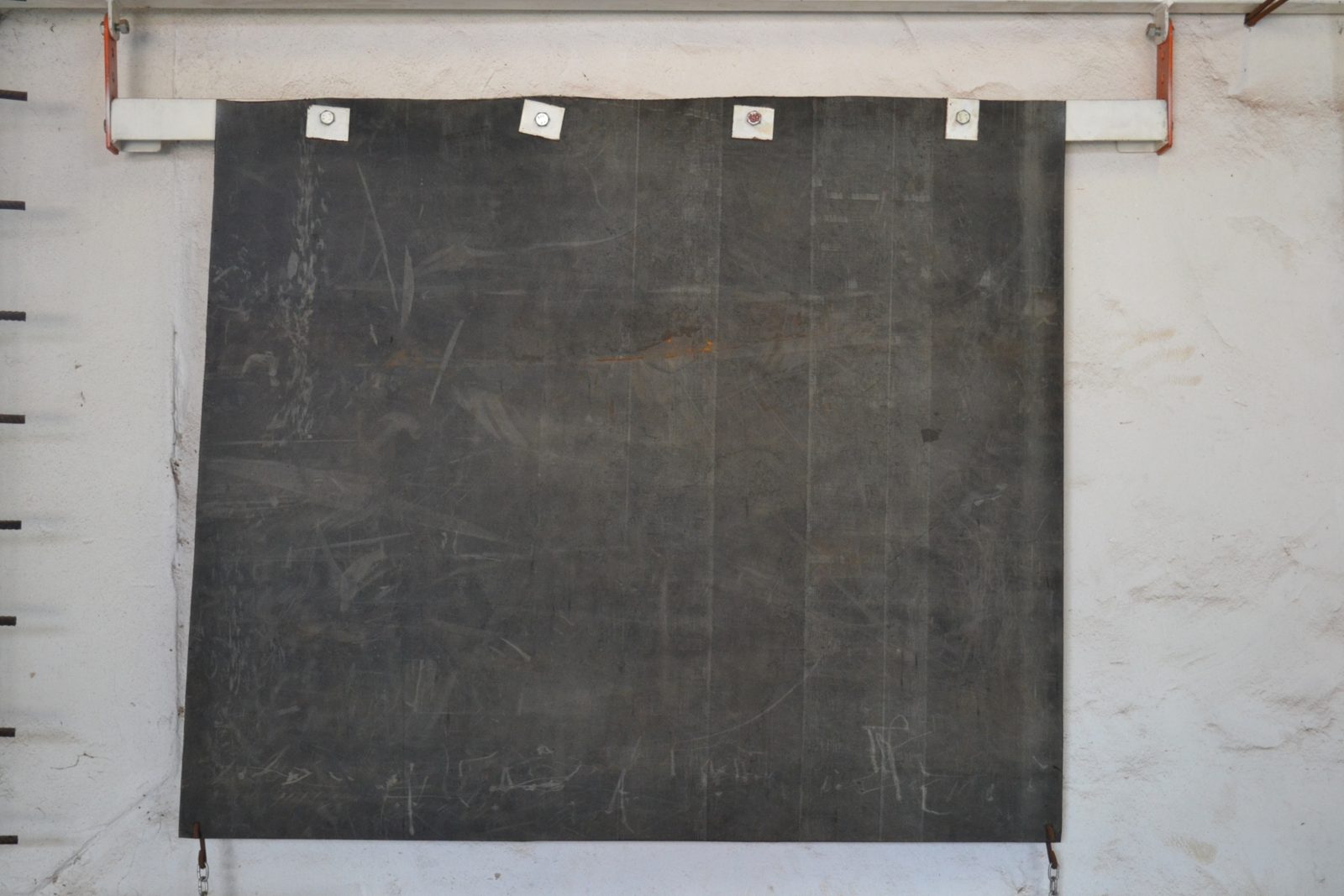
Spillage Mats
Fitted to the box front platform to stop ore overflowing onto the cross cut footwall.
View product →Common questions
- Is this legal advice on the Mine Health and Safety Act?
- No. This is a practical operating guide to how water, spillage and access hazards are commonly assessed underground. For legal interpretation, consult your legal adviser or the relevant regulator.
- How does the hierarchy of controls apply to underground water?
- Elimination means keeping water out of the working area; engineering means intercepting and routing it so nobody has to interact with it; administrative controls are procedures and inspections; PPE is last. Boots are not a water control.
- What records should a section keep for water hazards?
- A risk assessment naming the hazards, the control decision for each, dated inspection records with findings, evidence those findings were closed out, and training records for the associated tasks.
- Why is engineering the hazard out better than a procedure?
- A procedure depends on people executing it correctly under production pressure, every shift. Removing the manual task removes the exposure, the labour and most of the associated record-keeping at the same time.
- What is the most common compliance gap around water?
- Not the absence of controls but the absence of evidence — inspections not recorded, or findings recorded and never visibly closed out.
Dealing with this on your mine?
Tell us what the section looks like and where the water is collecting. We will come back with a practical recommendation and an indication of cost.
Request a recommendation