
Water problems rarely get funded because they rarely get costed. The spend is spread across labour, maintenance, contractor hours and lost production, so no single cost code shows the size of it.
This guide sets out a simple framework a section engineer can complete in an afternoon and take to a capital discussion.
The four cost buckets
Almost every rand lost to underground water falls into one of four buckets. Estimate each separately, over a twelve-month view.
- Lost production — blasts not taken, advance not achieved, standing time waiting on water or cleaning
- Unplanned labour — sump cleaning, mud loading, weir rebuilds, drain clearing
- Maintenance — pump impellers, seals and rebuilds attributable to solids, plus pipe and drain reinstatement
- Risk — slip and fall incidents, confined-space and ergonomic exposure, and the cost of the associated investigations and lost time
How to build the numbers
Use the mine's own figures rather than industry averages: shift cost per crew, cost per blast not taken, actual pump rebuild frequency and cost, actual cleaning hours recorded over the last six months.
Then apply a simple test to each line: if the water were controlled at source, how much of this disappears? Not all of it will, and being conservative here is what makes the case credible in front of a finance team.
Presenting the case
Show the twelve-month recurring cost, show the capital and installed cost of the control, and show the payback in months. Keep the risk reduction as a supporting argument rather than the headline — it strengthens the case but rarely wins the budget on its own.
Where a control removes a manual task entirely, say so explicitly. Removing a wet, confined, manual job is the argument that carries weight with both operations and SHE.
How Eziload helps
Most of Eziload's water and sludge equipment was designed on the working face to remove a specific recurring manual task — rebuilding a weir, cleaning a sump, hand-loading mud from a cross-cut. That makes the cost case straightforward, because the saving is a task that currently appears on a roster.
For cross-cut and track condition specifically, Cross Cut Management covers mud loading, grading, re-alignment and the reinstatement of drains, pumps and piping as a contracted scope.
A worked example you can adapt
Take one section over twelve months. It rebuilds panel weirs roughly twice a month, hand-cleans two sumps every six weeks, hand-loads a silted cross-cut four times a year, and rebuilds pump impellers more often than the maintenance plan allows for.
Written out, that is around 24 weir rebuilds, 17 sump cleans, 4 cross-cut clean-outs and the additional pump maintenance — well over a hundred crew-shifts of unplanned labour in a year, before counting a single lost blast. Price those shifts at your own crew cost, add the lost advance on the shifts where cleaning displaced production, add the additional pump rebuilds at your own rebuild cost, and the twelve-month figure is usually larger than anyone in the section expected.
Then apply the honest test: if the water were controlled at source, how much of that disappears? Perhaps the weir rebuilds go entirely, most of the sump cleans go, the cross-cut work halves and pump wear falls back towards plan. Claim only that, and the case will survive scrutiny.
- Count the recurring tasks over twelve months, not one month
- Price them with the mine's own crew and rebuild costs
- Add lost production only where cleaning genuinely displaced advance
- Discount the saving deliberately — a conservative case is a credible case
- Express the result as recurring annual cost versus once-off installed cost
A one-page template for the capital submission
Finance teams approve what they can follow. Keep the submission to a single page with these six lines, and keep every number traceable to a mine record.
- Line 1 — the recurring task, its frequency, and where the frequency figure comes from
- Line 2 — annual unplanned labour cost at mine crew rates
- Line 3 — annual maintenance cost attributable to the problem
- Line 4 — annual lost production, stated conservatively
- Line 5 — installed cost of the proposed control, including installation and training
- Line 6 — payback in months, plus the manual task that disappears entirely
Mistakes that sink a good business case
Sound cases fail for presentational reasons more often than financial ones. These are the recurring causes.
- Using industry averages where mine records exist
- Claiming the full saving instead of a discounted, defensible portion
- Leading with safety benefit rather than using it to support the cost case
- Omitting installation, training and spares from the capital figure
- Presenting a monthly cost, which always looks smaller than the problem is
Equipment covered in this guide
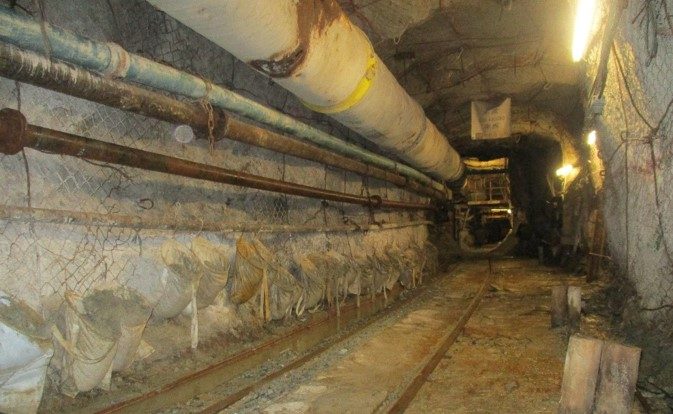
Cross Cut Management
Specialist rehabilitation of cross cuts, haulages, tracks and drains.
View product →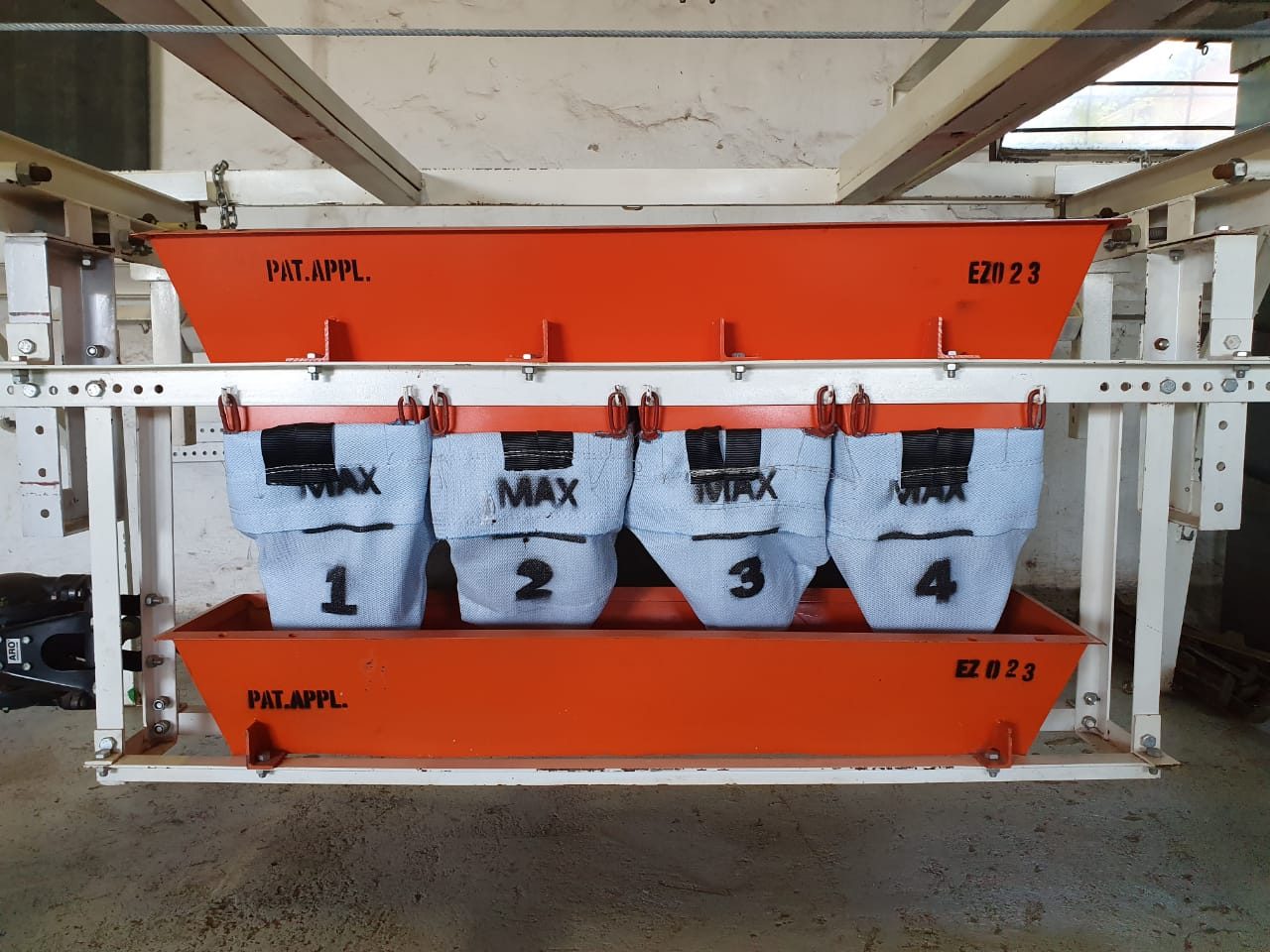
Mud Accumulator
Patented device that keeps cross cuts and tracks under box fronts clean — protecting tramming and reducing fines losses.
View product →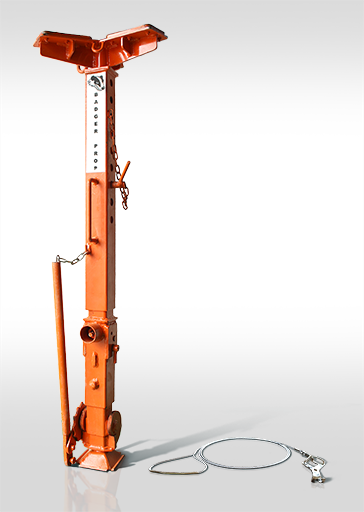
Badger Temporary Support Prop
Patented temporary support prop removed remotely by pull cable — no one under the hangingwall.
View product →Common questions
- What payback period is realistic on underground water equipment?
- It depends on how much manual labour the control removes. Where a section is currently running regular cleaning or weir-rebuild shifts, the labour line alone usually produces a payback measured in months rather than years.
- How do I cost the safety benefit?
- Use the exposure removed rather than a notional incident cost — for example, the number of shifts per year currently worked in a wet confined position. It is defensible and it does not rely on predicting an incident.
- Which numbers should I use — mine records or industry benchmarks?
- Mine records, every time. A finance team can verify your own shift costs, cleaning hours and rebuild frequencies; they cannot verify a benchmark, and one unverifiable number weakens the whole submission.
- How long should the cost case take to prepare?
- An afternoon. Count the recurring tasks over twelve months, price them at mine rates, discount the expected saving, and set it against the installed cost. Anything more elaborate rarely changes the decision.
- What makes the strongest single argument?
- That a manual task disappears from the roster. A control that removes a wet, confined, recurring job carries both operations and SHE, and it is far harder to argue against than a percentage improvement.
Dealing with this on your mine?
Tell us what the section looks like and where the water is collecting. We will come back with a practical recommendation and an indication of cost.
Request a recommendation