
Pumping is where every upstream water decision is finally paid for. Whatever is not intercepted at the face, whatever settles in a drain, whatever the sump fails to drop out — all of it arrives at the pump station.
A pump handling clean water is a reliable, well-understood machine. The same pump handling abrasive solids becomes a maintenance item with a short life and an unpredictable failure date, and its failures happen at the worst possible moment, because that is when inflow is highest.
The dewatering chain, end to end
Dewatering is a chain, not a pump. Water is intercepted in the panel, channelled to a settler or sump, drawn off above the settled layer, pumped through a column to the next station, and eventually lifted to surface. Each link has a capacity, and the chain delivers no more than its weakest link.
Most sections can name their pump rating but not the capacity of the other links. That is why so many pumping problems turn out, on inspection, to be channel, sump or column problems wearing a pump's uniform.
- Interception at the panel — sets how much water and how many fines enter the system
- Channel or pipe route — sets whether flow arrives or ponds on the way
- Settlement — sets how much abrasive material reaches the pump
- Draw-off position — sets what the pump actually ingests
- Column and delivery — sets whether the pump can move what it draws
What silt does to a pump
Abrasive solids attack a pump in three places at once: the impeller loses profile, the wear rings open up, and the mechanical seal is cut by particles carried into the seal faces. The result is not a sudden failure but a progressive loss of delivery, which is far more damaging because it is invisible until the water starts backing up.
The operational consequence is a feedback loop. Reduced delivery means water stands longer, which means more fines settle in the workings, which means more material is eventually mobilised into the pump. Sections in this loop tend to blame the pumps and buy more of them, when the fix is upstream.
- Impeller wear reduces head and flow before anything is heard or seen
- Seal damage causes leakage, then bearing damage, then failure
- Cycling on a silted sump draws material straight off the settled layer
- Delivery loss is progressive and easy to miss without trend records
Sizing the chain against real inflow
Size against the peak, and check the daily balance. If peak inflow is 5 litres per second, the system sees roughly 432 cubic metres in 24 hours. A pump rated at 15 cubic metres an hour delivers 360 in a day if it never stops — which means the section falls behind every day it rains fissure water, whatever the nameplate says.
Always derate the nameplate. A worn pump on a long column with fittings and elevation does not deliver its rated figure, and the gap widens as it wears. Planning to the rated figure is planning to be flooded halfway through the pump's life.
- Convert peak inflow to a 24-hour volume before comparing anything
- Derate rated delivery for wear, column length, fittings and lift
- Provide standby capacity for the highest-inflow section, not the average one
- Check the balance again after every significant advance
- Trend delivery over time — a falling trend is wear, not a bad week
Keeping solids out in the first place
Every control upstream of the pump station is a pump maintenance control, even though none of them appears on the maintenance plan. Intercepting water high in the panel, keeping fines out of the stream, maintaining velocity so material does not compact in the route, and giving solids a designed place to settle all reduce the abrasive load that reaches the impeller.
This is why pump reliability programmes that stop at the pump station rarely deliver much. The material arriving at the pump was determined several hundred metres earlier.
- Intercept high in the panel so the water carries fewer fines
- Give sludge a designed accumulation point ahead of the sump
- Keep the draw-off above the settled layer at all times
- Recover sump capacity mechanically, before the pump starts cycling short
- Treat upstream water control as part of the pump maintenance strategy
What to check at the pump station this week
A short standing inspection catches most of what turns into a flooding event later.
- Is the pump cycling more often than it did after the last sump clean?
- Is measured delivery still close to what it was at commissioning?
- Has the settled layer risen close to the draw-off?
- Are impeller and seal replacements trending upward?
- Is there standby capacity available if the duty pump fails tonight?
- Does the daily pumped volume still exceed the daily inflow, with margin?
How Eziload helps
Eziload's water and sludge equipment sits upstream of the pump station, which is where pump problems are created. The Ezi Self-Cleaning Sump keeps settlement volume available so the pump keeps drawing clean water rather than working closer to the solids with every week that passes.
The Mud Accumulator concentrates settlement at a designed, serviceable point ahead of the sump, and the Self-Cleaning Eliminator reduces the fines load reaching either. Together they cut the abrasive material arriving at the impeller, which is the only durable way to extend pump life.
Equipment covered in this guide
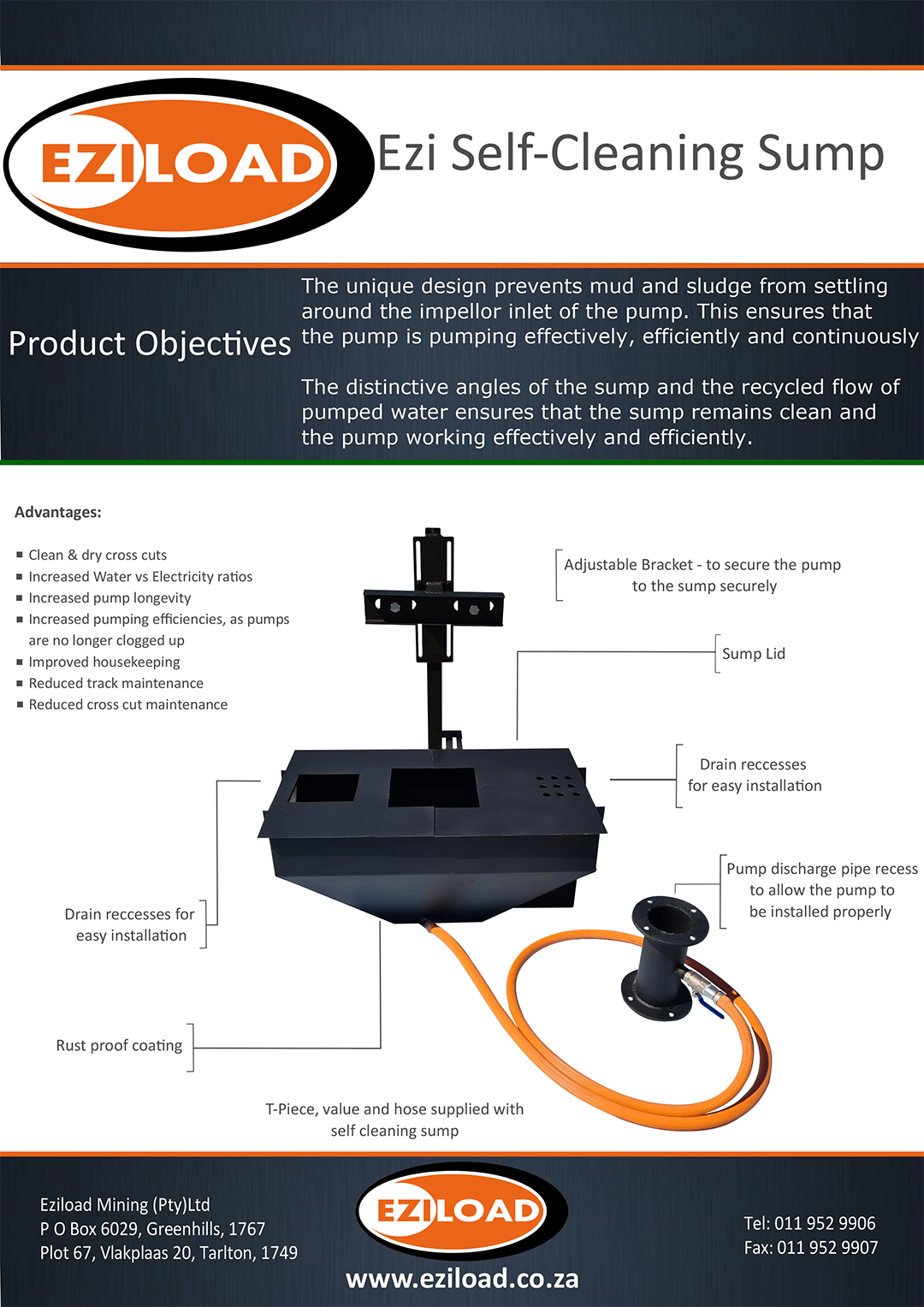
Ezi Self-Cleaning Sump
Keeps pumps clean, running and pumping — no more mud choking the impeller.
View product →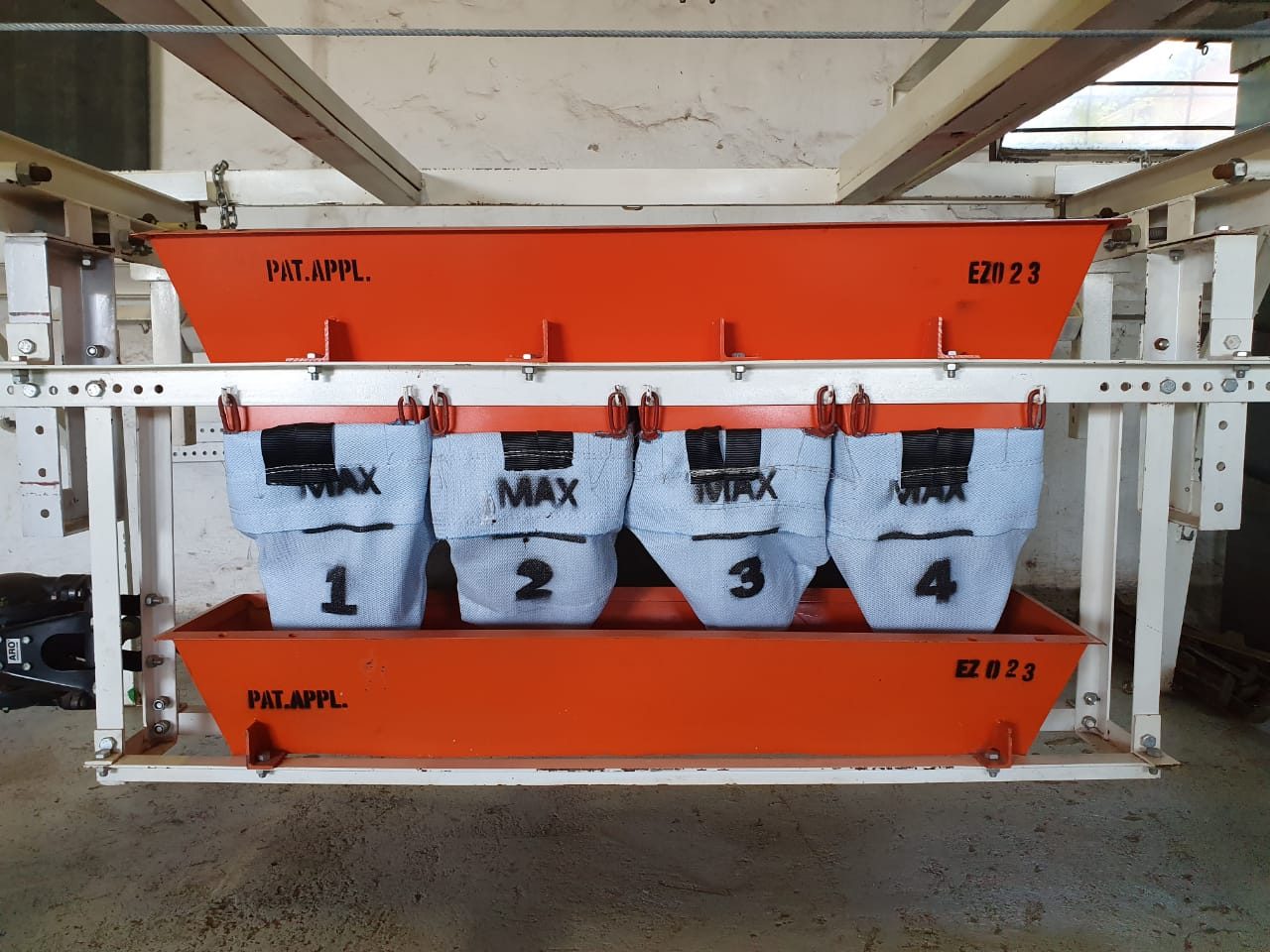
Mud Accumulator
Patented device that keeps cross cuts and tracks under box fronts clean — protecting tramming and reducing fines losses.
View product →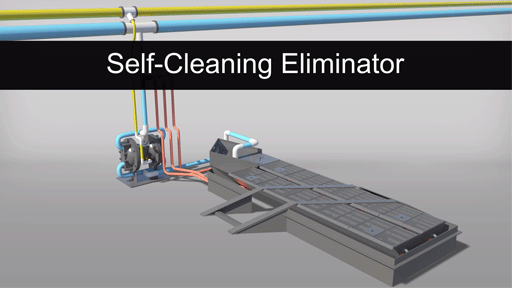
Self-Cleaning Eliminator
A regulated water-recycle system that keeps gutters and collection boxes clear.
View product →Common questions
- Why does pump delivery drop even though the pump still runs?
- Abrasive solids wear the impeller and open the wear rings, so head and flow fall progressively. Nothing sounds wrong until the water starts standing, which is why delivery should be measured and trended rather than assumed.
- How do I know if my pumping capacity is adequate?
- Convert peak inflow to a 24-hour volume and compare it with what the pumps actually deliver in 24 hours, derated for wear and column losses. If the two are close, the section is one pump problem away from flooding.
- Should I buy a bigger pump or fix the sump?
- Fix the sump first in almost every case. A bigger pump handling the same abrasive load simply wears faster and costs more to rebuild; reducing the solids reaching it improves both delivery and life.
- How much standby pumping capacity should a section have?
- Enough to cover the duty pump on the highest-inflow section, not the average one. Standby sized on averages is unavailable exactly when inflow peaks and it is needed.
- Does upstream water control really affect pump maintenance cost?
- Directly. The abrasive load arriving at the impeller is set by what was intercepted and settled upstream, so face-level controls and sump design are pump maintenance controls even though they sit on a different budget line.
Dealing with this on your mine?
Tell us what the section looks like and where the water is collecting. We will come back with a practical recommendation and an indication of cost.
Request a recommendation