
Backfill improves regional support and disposes of tailings, but it also introduces a large, deliberate volume of water into the workings. That water has to be returned, and the fines it carries have to be managed.
Where backfill reticulation is treated as a plumbing exercise rather than part of the mine's water plan, the result is predictable: silted drains, flooded cross-cuts and pump stations working on slurry.
What the backfill water cycle involves
A working backfill operation needs delivery reticulation to the paddock, bag or barricade containment, a decant route for the water released as the fill settles, flushing capability for the delivery line, and a flocculant capability to drop fines out before the return water re-enters the general water system.
Each of those is a failure point. A line that cannot be flushed will block. A decant route that silts up will send water and fines into the workings instead.
- HDPE delivery reticulation to the placement point
- Paddock, bag or barricade containment
- Designed decant route with adequate capacity
- Flushing system for the delivery line
- Flocculant station for fines management
- Underground communications between placement and surface
Common failures
Most backfill water problems come from three causes: undersized decant capacity, no reliable flushing regime, and containment that leaks fines into the surrounding workings.
All three end at the same place — the section's pumps and sumps, handling material they were never sized for.
Planning it properly
Treat the backfill water cycle as part of the section water balance, not as a separate contractor scope. Size the decant for the actual placement rate, commit to a flushing discipline before the first placement, and put the flocculant capability in at installation rather than after the first blockage.
Where the mine does not want to carry that in-house, a turnkey scope keeps responsibility for the whole cycle in one place, which is usually where the accountability problems disappear.
How Eziload solves it
The Backfill Water Reticulation System covers the delivery, flushing and fines-management side as an engineered installation rather than a site-assembled one.
Where the mine prefers to hand over the whole operation, Backfill Contracting supplies labour, supervision, paddock and bag installation, reticulation, flushing, flocculant stations and underground communications as a single accountable scope.
Sizing the decant
The decant route is the part most often undersized, because it is specified against an average placement rate rather than the rate at which water is actually released as the fill settles. Water comes off fastest in the hours immediately after placement, and that peak is what the decant has to carry.
Work it out from the placement volume and the expected bleed fraction over the first 24 hours, then size the route for that volume arriving over a much shorter window than the placement itself. Where you cannot establish the bleed figure, build in margin — an oversized decant costs a little more at installation, while an undersized one puts water and fines into the workings on every pour.
- Size for the post-placement peak, not the average placement rate
- Provide fall along the entire decant route with no flat sections
- Include a fines-drop stage before the return water rejoins the general system
- Provide inspection points along the route, not only at the ends
- Confirm the receiving sump and pump can absorb the return volume
A flushing discipline that survives a bad shift
Almost every blocked backfill line traces back to a flush that was skipped, shortened or left to the next crew. Blockages are then cleared under production pressure, which is when lines get damaged and people get hurt.
Make the flush part of the placement procedure rather than a follow-up task: a defined flush volume, a defined duration, a named responsible person and a signed record at the end of every pour. The record matters more than it sounds, because it is the only way to tell a genuine equipment problem from a missed step.
- Flush immediately at the end of every placement, without exception
- Define the flush volume and duration in writing, not by judgement
- Name the responsible person for each pour
- Record the flush, and review the records when a blockage occurs
- Keep a defined blockage procedure so nobody improvises under pressure
What to check before the next pour
Run this list before placement rather than after the first problem.
- Is the containment intact, and is it rated for the placement volume?
- Is the decant route clear along its full length, not just at the outlet?
- Is the flocculant station stocked and operational?
- Can the delivery line be flushed immediately at the end of the pour?
- Do the placement point and surface have working communications?
- Does the receiving sump have capacity for the return water and its fines?
Equipment covered in this guide
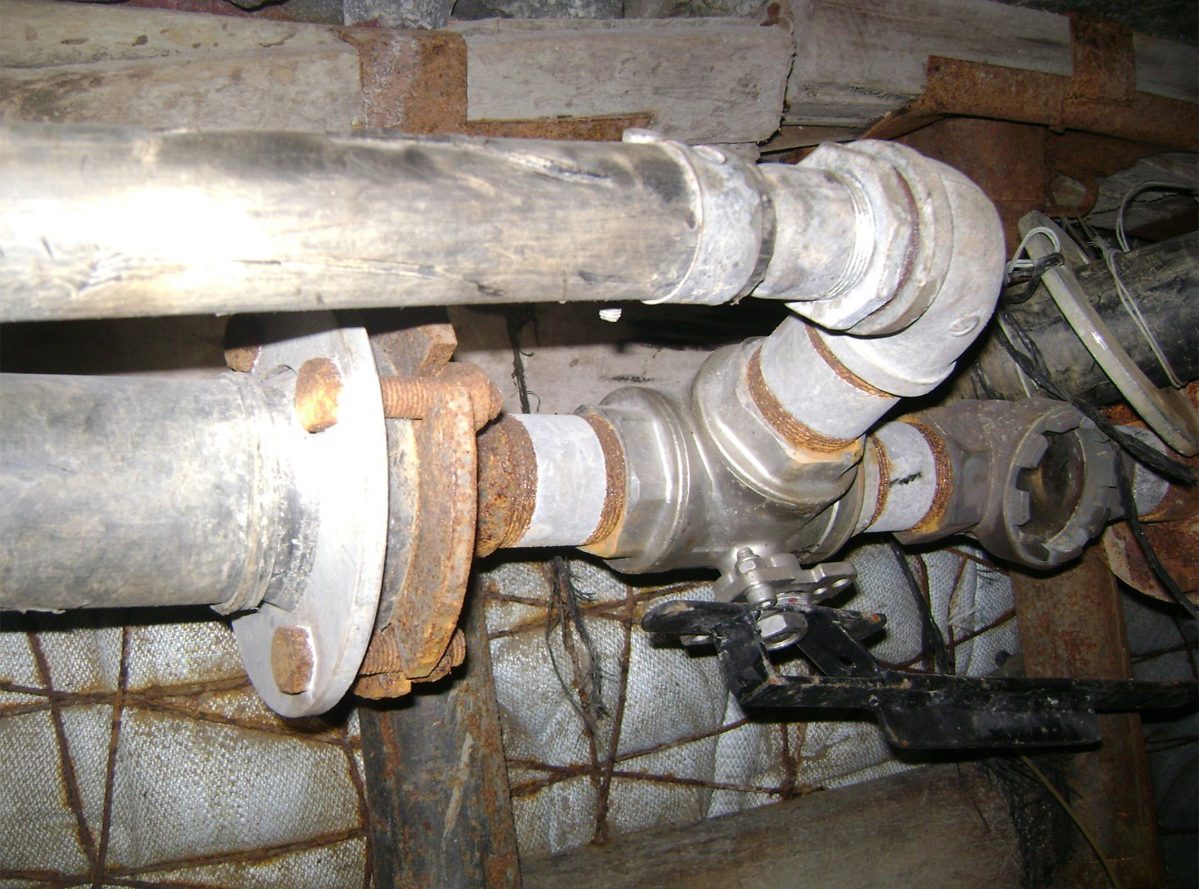
Backfill Water Reticulation System
Stops flushing water pushing fines through backfill bags into the cross cut.
View product →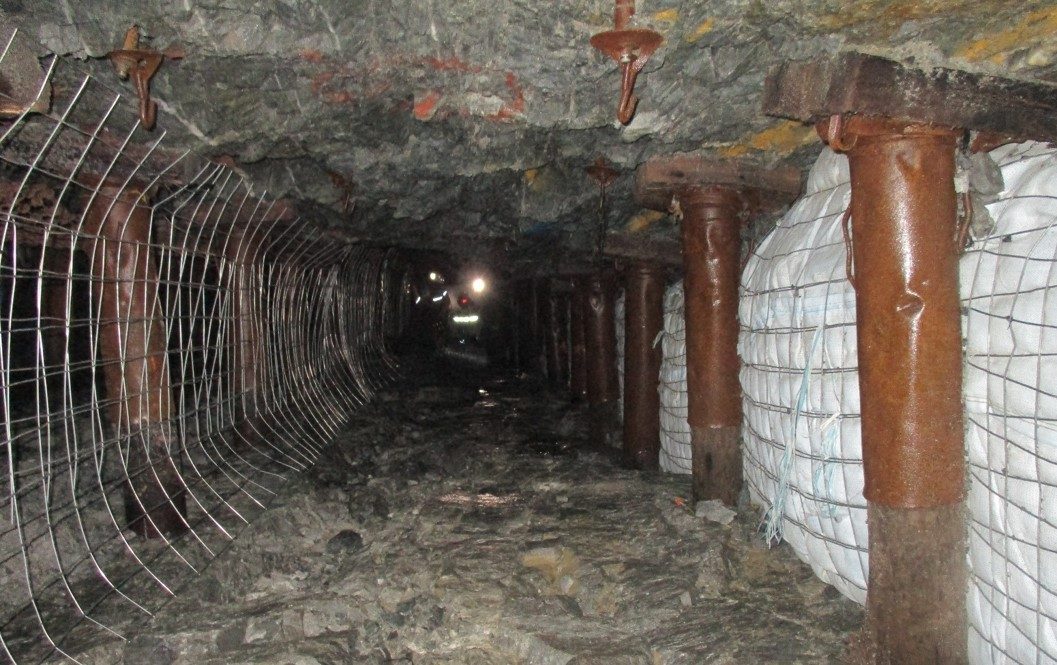
Backfill Contracting
Full turnkey backfill operations — labour, supervision, paddocks, bags and filling.
View product →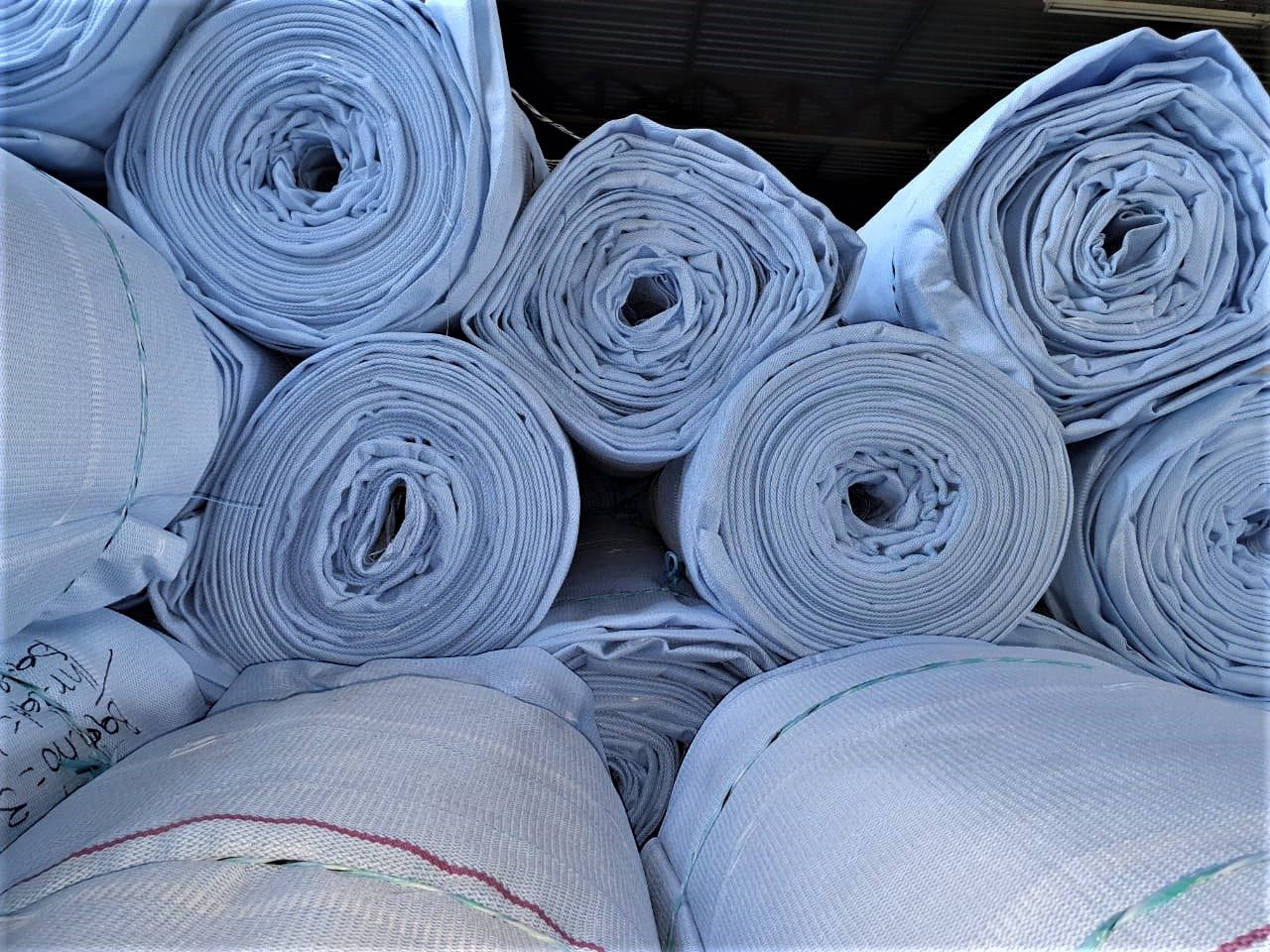
Backfill Bags
Backfill bags manufactured to client specification in a range of materials and sizes.
View product →Common questions
- Why does backfill return water end up silting the section sumps?
- Almost always because fines are not being dropped out before the return water rejoins the general water system — either the flocculant capability is missing, or the decant route is undersized and carrying material through.
- Should backfill reticulation be run in-house or contracted?
- Either works. What does not work is splitting the water cycle across parties, because the failure points sit at the handovers. Keep the whole cycle under one accountable scope.
- How should decant capacity be sized?
- Against the post-placement peak, when the fill releases water fastest — not against the average placement rate. Undersized decant is the most common cause of backfill water reaching the workings.
- What is the main cause of blocked backfill delivery lines?
- A flush that was skipped or cut short. Making the flush part of the placement procedure, with a recorded sign-off, removes most blockages.
- Why is a flocculant station necessary?
- It drops fines out of the return water before it rejoins the general water system. Without it, backfill fines end up in the section drains, sumps and pumps, which were never sized to handle them.
- Do backfill bags remove the need for a paddock?
- In many placements, yes — bag containment is quicker to install and better suited to confined or irregular openings. The choice depends on the geometry and the volume, and both still require a properly sized decant.
Dealing with this on your mine?
Tell us what the section looks like and where the water is collecting. We will come back with a practical recommendation and an indication of cost.
Request a recommendation